




A wellness assessment is a quick, honest look at the everyday habits that shape how you feel: how you sleep, how much you move, how much water you drink and what you eat. Our free Wellness Habits Assessment asks 12 simple questions, takes about two minutes on your phone, and gives you a wellness score out of 100 plus a separate score for each of the four areas. If any area is weak, you get specific, practical tips you can start today.
Think of this wellness assessment as a healthy habits test, not an exam. There are no trick questions and no lab results needed. The goal is to show you where you are now, so you can pick one or two small changes, build a healthier routine and see your score climb month by month.
What this wellness assessment covers
Why does a wellness assessment focus on habits? Most long-term health problems, from tiredness and weight gain to type 2 diabetes and heart disease, are shaped by a handful of daily habits. This lifestyle assessment focuses on four of the most important ones, with three questions in each area:
- Sleep: how many hours you sleep, whether you wake up rested, and how regular your bedtime is.
- Physical activity: minutes of moderate activity per week, muscle-strengthening days, and how many hours you spend sitting.
- Hydration: glasses of water per day, your usual urine colour, and how many sugary drinks you have.
- Diet: servings of fruit and vegetables, fried or fast food meals per week, and how often you eat whole grains, daal or beans.
We chose these questions because each one is linked to a clear, evidence-based target from bodies like the World Health Organization (WHO) and sleep medicine experts. That means your answers can be compared with a real benchmark, not just an opinion.
What this wellness assessment does not cover is just as important. It does not measure blood pressure, blood sugar, cholesterol, weight or mental health, and it cannot diagnose anything. For those numbers, use our other free tools, which we link throughout this page.
How to use this wellness assessment
- Answer the three sleep questions. Choose your hours of sleep on a typical night, how often you wake up feeling rested, and how consistent your bedtime is.
- Answer the three activity questions. Estimate your minutes of moderate activity (brisk walking or more) per week, how many days you do muscle-strengthening exercise, and how many hours you sit each day.
- Answer the three hydration questions. Pick how many glasses of water (about 250 ml each) you drink per day, your usual urine colour, and how many sugary drinks you have per day.
- Answer the three diet questions. Choose your daily servings of fruit and vegetables, your fried or fast food meals per week, and how often you eat whole grains, daal or beans.
- See your results. You get an overall wellness score, a band (Excellent, Good, Fair or Needs attention), a score for each area, and tips for any area below 67%.
Answer every wellness assessment question for a typical week, not your best or worst one. If you are unsure, choose the lower option. Being honest gives you a more useful starting point, and it makes your progress easier to see later.
How scoring works
Each of the 12 questions in the wellness assessment is scored from 0 to 3 points. Every area has three questions, so the maximum is 9 points per area. Your area score is your points divided by 9, times 100. For example, 6 points in sleep gives you 67%.
Your overall wellness score is the average of your four area scores. This means every area counts equally: great sleep cannot hide a poor diet, and lots of exercise cannot fully make up for drinking very little water.
| Overall score | Band | What it means |
|---|---|---|
| 80–100 | Excellent | Your daily habits are close to recommended targets. Focus on keeping them steady. |
| 60–79 | Good | A solid base with one or two areas to improve. |
| 40–59 | Fair | Several habits are below target. Small, steady changes will make a real difference. |
| 0–39 | Needs attention | Most areas are well below target. Start with one easy habit and build from there. |
Any area that scores below 67% (that is, 5 points or fewer out of 9) gets 2–3 specific educational tips. Areas at 67% or higher are already in reasonable shape, so the tool keeps your attention on the habits that need it most.
Sleep habits: why these questions matter
Sleep is when your body repairs muscle, balances hormones that control hunger, and clears waste from the brain. Short or irregular sleep is linked with weight gain, higher blood pressure, poorer blood sugar control, low mood and weaker concentration at work.
Question 1: hours of sleep
Sleep experts (the American Academy of Sleep Medicine and the National Sleep Foundation) recommend 7–9 hours a night for adults aged 18–64, 7–8 hours for adults 65 and over, and 8–10 hours for teens. That is why 7–9 hours scores the full 3 points.
| Hours of sleep on a typical night | Points |
|---|---|
| Less than 5 | 0 |
| 5–6 | 1 |
| 6–7 | 2 |
| 7–9 | 3 |
| More than 9 | 2 |
Regularly sleeping more than 9 hours scores slightly lower. Long sleep is not harmful in itself, but if you need it every night and still feel tired, it can be a sign of poor sleep quality or a health problem worth discussing with a doctor.
Question 2: waking up rested
In a wellness assessment, hours alone do not tell the full story. If you rarely wake up refreshed, your sleep may be broken by noise, heat, a late heavy meal, caffeine, screens or a condition like sleep apnoea. Loud snoring, gasping at night and daytime sleepiness are worth mentioning to your doctor.
Question 3: a consistent bedtime
Your body clock loves routine. Going to bed at very different times, such as midnight on weekdays and 3 am on weekends, works like mild jet lag. Keeping your bedtime within an hour most nights helps you fall asleep faster and wake up easier. Our sleep calculator can suggest a bedtime based on 90-minute sleep cycles and the time you need to wake up.
Physical activity: why these questions matter
Regular movement is one of the most powerful habits for your heart, blood sugar, weight, mood and sleep. The WHO physical activity guidelines recommend that adults get 150–300 minutes of moderate activity a week (or 75–150 minutes of vigorous activity), plus muscle-strengthening activities on 2 or more days a week.
Question 4: minutes of moderate activity
Moderate activity means you are breathing faster and can talk but not sing. Brisk walking, cycling, swimming, climbing stairs and active housework all count. You score full points at 150 minutes or more a week, which is just 30 minutes on 5 days.
Not sure how hard you are working? Our target heart rate calculator shows your moderate zone (about 50–70% of your maximum heart rate) in beats per minute.
Question 5: muscle-strengthening days
Strength training, a key part of the activity section of this wellness assessment, protects your muscles, bones and joints, especially after 40, when muscle naturally starts to decline. It does not require a gym. Push-ups against a wall, squats from a chair, lunges, carrying shopping bags or using water bottles as weights all work. One day scores 1 point, but 2 or more days jumps to the full 3, because that is the WHO target.
Question 6: sitting too much
Long hours of sitting are linked with poorer health even in people who exercise. Fewer than 6 hours of sitting a day earns full points, while more than 10 hours scores zero. The fix is simple: stand up and move for 2–3 minutes every 30–60 minutes, take phone calls standing, and walk after meals.
Hydration: how much water should I drink?
Water helps control body temperature, carries nutrients, supports digestion and keeps your kidneys working well. Even mild dehydration can cause headaches, tiredness, poor concentration and constipation.
Question 7: glasses of water per day
There is no single number that suits everyone. Your needs depend on your body size, activity, diet and especially the weather. As a starting point, about 8 glasses (roughly 2 litres) a day works for many adults, and that is why 8 or more glasses scores full points. Food, tea and other drinks also count towards your total fluid intake.
In a Pakistani summer, when temperatures in Lahore, Multan, Karachi or Jacobabad can pass 40°C, you will usually need noticeably more, especially if you work outdoors, travel on a motorbike or exercise. Sip water through the day rather than drinking a lot at once. If you have kidney or heart disease and your doctor has limited your fluids, follow their advice instead of this target.
Question 8: urine colour as a guide
Your urine colour is a simple, free hydration check, which is why it is part of the wellness assessment. Pale straw or light yellow usually means you are well hydrated and scores the full 3 points. Yellow scores 1, and dark yellow or amber scores 0, because it often means you need to drink more. Some vitamins and medicines can change urine colour, so use it as a guide, not a test.
Question 9: sugary drinks
Sugary drinks hydrate you but add a lot of sugar without making you feel full. A can of soft drink can contain around 35–40 g of sugar. The WHO healthy diet guidance advises keeping free sugars below 10% of your daily energy, and below 5% gives extra benefit. On a 2,000-calorie diet, 10% is about 50 g, so one soft drink and two cups of sweet chai can take you past the limit. That is why fewer than one sugary drink a day scores full points.
Balanced diet: why these questions matter
A balanced diet gives you steady energy, supports a healthy weight and lowers your long-term risk of heart disease and type 2 diabetes. These three wellness assessment questions focus on the changes that make the biggest difference for most South Asian diets.
Question 10: fruit and vegetables
The WHO recommends at least 400 g of fruit and vegetables a day, roughly 5 servings. A serving is about 80 g: one medium apple, banana or guava, a handful of grapes, a small bowl of cooked sabzi, or a plate of salad. Five or more servings scores 3 points. Potatoes count as a starchy food, not a vegetable serving.
Question 11: fried or fast food meals
Fried foods and fast food are usually high in calories, salt and less healthy fats, and they often replace fibre-rich foods. Samosas, pakoras, puris, parathas cooked in ghee, burgers, fries and fried chicken all count. Rarely or never scores full points, while 5 or more such meals a week scores zero.
Question 12: whole grains, daal or beans
Whole grains and pulses are rich in fibre, which keeps you full, supports digestion and helps steady blood sugar. Whole-wheat (chakki) atta roti, oats, brown rice, daal, chana, rajma and lobia are all excellent choices. Eating them every day scores the full 3 points.
If you want to go further, our calorie and protein calculator estimates how much energy and protein your body needs each day.
Evidence-based targets at a glance
Use this healthy lifestyle checklist as a quick reference. Each target matches the full-points answer in the wellness assessment, so you can see exactly what a top score looks like.
| Area | Target | Source |
|---|---|---|
| Sleep | 7–9 hours a night (adults 18–64), at a regular time | AASM / National Sleep Foundation |
| Activity | 150–300 minutes moderate activity a week | WHO |
| Strength | Muscle-strengthening on 2 or more days a week | WHO |
| Sitting | Less sitting; break it up often (tool target: under 6 hours a day) | WHO |
| Water | About 8 glasses a day as a starting point; more in heat | General guidance; needs vary |
| Fruit and vegetables | 5 servings / at least 400 g a day | WHO |
| Free sugars | Less than 10% of daily energy (ideally under 5%) | WHO |
Daily habits in Pakistan: what makes them harder
Healthy advice often ignores real life. Here is how common Pakistani routines affect your wellness assessment results, and simple ways around them.
Heat and long summers
From May to September, heat makes outdoor exercise tough and raises your water needs. Walk early in the morning or after sunset, carry a water bottle everywhere, and choose water, lassi without sugar, or lemon water without much sugar over cold soft drinks. Watch for heat exhaustion signs such as dizziness, heavy sweating, nausea and confusion.
Chai culture
Many people drink 3–5 cups of doodh patti a day, often with two spoons of sugar each. That alone can add 30–50 g of sugar daily. Try cutting sugar by half a spoon each week, switching one cup to green tea or plain water, and avoiding chai close to bedtime, since caffeine can disturb sleep.
Roti- and rice-heavy meals
Traditional desi plates are often large on roti or rice and small on vegetables. You do not have to give up roti. Use chakki atta, fill half your plate with sabzi or salad, add daal or chicken for protein, and keep rice portions to about one cup cooked.
Desk jobs and long commutes
An office job plus an hour or two in traffic can easily mean 10 or more hours of sitting. Set a reminder to stand every 45 minutes, use the stairs, park a little further away, and take a 10-minute walk after lunch and dinner. Three short walks add up to 30 minutes.
Family meals and late dinners
Family meals are a strength, as long as dinner is not very late and very heavy. Try to eat 2–3 hours before bed, serve fruit instead of mithai most days, and make a family walk after dinner a habit. When the whole family changes together, habits stick far better.
Small steps: a 4-week habit plan
Big overnight changes rarely last. This plan adds one or two easy habits each week, so by the end of the month you have a healthy routine without feeling overwhelmed. Focus first on any area your wellness assessment flagged below 67%.
| Week | Sleep | Activity | Hydration | Diet |
|---|---|---|---|---|
| Week 1 | Pick a fixed wake-up time, even on weekends | Walk 10 minutes after one meal daily | Drink a glass of water on waking | Add one fruit a day |
| Week 2 | Screens off 30 minutes before bed | Walk 20 minutes on 5 days; stand up every 45 minutes | Keep a 1-litre bottle at your desk and finish it twice | Fill half your plate with sabzi or salad at one meal |
| Week 3 | No chai or coffee after 4 pm | Add 2 days of simple strength moves (squats, wall push-ups) | Swap one sugary drink for water or unsweetened lassi | Daal, chana or whole-wheat roti every day |
| Week 4 | Keep bedtime within an hour every night | Reach 30 minutes brisk walking on 5 days (150 minutes) | Check urine colour and aim for pale straw | Limit fried food to 1–2 meals a week |
If a week feels too hard, repeat it. Progress matters more than speed, and missing a day is not failure. Just restart the next day.
A simple daily wellness routine
Putting it all together, a realistic day might look like this: wake at the same time, drink a glass of water, and get some morning daylight. Take a brisk walk before the heat or after Maghrib, eat a balanced lunch with sabzi and daal, stand up regularly at work, keep your water bottle close, and have a lighter dinner with your family at least two hours before bed.
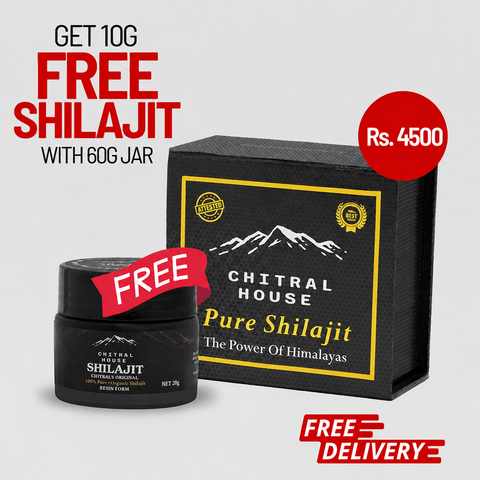
Some people also like to include a natural product such as pure Himalayan shilajit as part of their morning routine. If you are curious, our guide on the best time to take shilajit explains common routines. It is not a substitute for sleep, movement, water and good food, and if you take any medication or have a health condition, check with your doctor first.
How to retake your wellness assessment and track progress
Habits change slowly, so retaking the wellness assessment every day will not tell you much. We suggest retaking it once a month, ideally on the same date, such as the 1st of each month.
- Write down or screenshot your overall score and your four area scores.
- Choose the one or two lowest areas and pick habits from the 4-week plan above.
- After four weeks, retake the quiz and compare each area with last month.
- Keep habits that worked and swap ones that did not fit your life.
A rise of even 5–10 points in a month shows real change. Over three to six months, many people move up a full band, for example from Fair to Good. Tracking also keeps you honest: if a busy month pulls your score down, you will notice early and can reset.
Use your wellbeing score with other health checks
A wellness assessment covers habits, and good habits are the foundation, but they are only half the picture. Your wellness score does not show your weight, blood pressure, cholesterol or blood sugar, which can be raised even when you feel fine. This matters for South Asians, who tend to develop diabetes and heart problems at a lower weight and a younger age.
- Check your weight status with our BMI calculator, which offers South Asian cut-offs.
- See how your habits and numbers combine with our Heart Health Score.
- Find every free tool in one place on our health calculators hub.
The American Heart Association's Life's Essential 8 is a helpful framework that links sleep, activity, diet and other habits to heart health. For more trusted self-check tools, see MedlinePlus health check tools from the US National Library of Medicine.
Disclaimer
This wellness assessment is for general education only. It is not medical advice and cannot diagnose or treat any condition. Your score depends on your own answers and does not replace a check-up. If you have ongoing tiredness, sleep problems, unexplained weight changes, or any health concern, please consult a qualified doctor. For emergencies such as chest pain, severe breathlessness or fainting, call 1122 or 115 in Pakistan, or your local emergency number.